Basics
What a tutor does in the first hour
The first lesson is mostly diagnosis, not teaching. Here is what a tutor is listening for while a pupil works through a few questions at the kitchen table.
by Hannah Whitfield · 6 min read
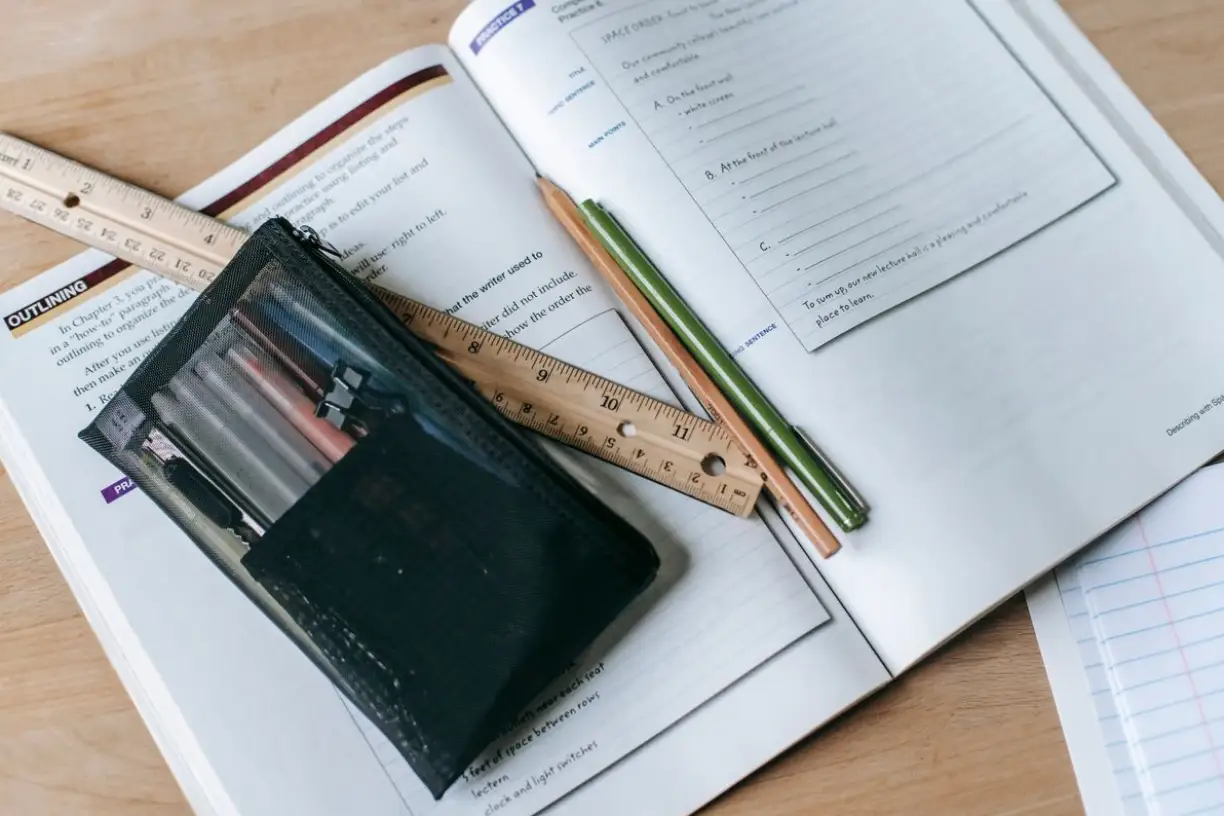
The first hour is a survey, not a lesson
A child comes downstairs after the first session and says the lesson was just talking. The parent hears that and wonders what the hour was for. No worksheet. No page of sums. No obvious progress. That reaction is common, and it usually means the tutor did the right thing.
The first hour is a survey. A builder checks what is behind a wall before knocking through it. A tutor should not start teaching fractions to a Year 6 pupil before finding out whether the real gap is place value, how they read the question, confidence after a bad week at school, or something else. The first session is there to locate the next teachable step.
Without that step, tutoring can become a weekly scramble through whatever homework is due. Parents pay for lessons, the pupil works, and nobody can say what has changed. The first hour gives the tutor a starting point, gives you something concrete to read, and gives your child a clear idea of what happens next.
This page explains what happens in that hour, what we ask you to send beforehand, what the tutor writes down, and how it feeds the progress reports parents receive. It applies whether your child is 7 or 18, and whether the lesson is online or at home.
Before the hour: what we ask you to send
The first hour works better when the tutor has seen real school work. We ask for a recent school report, a marked exercise book or test, the exam board and tier if your child is in GCSE or A level years, and your child's own account of what feels hard. That is four things, not a full archive. Do not tidy the exercise book before you send it.
Wrong answers are the useful part. A page of neat corrections tells the tutor what your child can copy. A page of crossed out mistakes tells the tutor where the thinking broke down. If the school has sent home a practice paper, send that too, even if the mark is low. We are not looking for a perfect score. We are looking for patterns.
The family coordinator collects this material and passes it to the tutor before the lesson. If you are booking for two children at different stages, the coordinator keeps the notes together, so the tutor for the younger child knows what the older one is working on, and the other way round.
What if you have nothing to send? That is fine. The tutor can still run the first hour with a blank page, a few questions and a short task. It simply takes a little longer to build the picture.
The first ten minutes: lowering the temperature
A pupil who arrives anxious, or convinced that tutoring is a punishment for a bad report, will not show a tutor what they can do. The first ten minutes are about making the room feel ordinary. The tutor introduces themselves, explains that the hour is not a test, and says what will happen in plain terms. There is no mark at the end. There is no report card to take home.
At home, a parent can sit in for the first few minutes if that helps the child settle. Online, a parent can stay nearby without appearing on camera. Ask your child what they prefer. Some pupils relax when a parent leaves. Others need the door left open.
The tutor will ask a few questions: what feels easy, what feels hard, what the teacher says, what happens in class when the pupil gets stuck. The answers matter more than the phrasing. A child who says they hate maths is giving information. A child who says they do not know where to start is giving different information.
Good tutors do not fill every silence. They wait. A pupil who is given four or five seconds to think often gives a better answer than one who is rushed. That small pause is part of the assessment.
The diagnostic: finding the edge of what the pupil knows
The main work of the first hour is a diagnostic. That word sounds formal. In practice it means the tutor starts with something the pupil should find easy and moves up in small steps until the pupil gets stuck. Then the tutor goes back one step and asks the pupil to explain their thinking.
What it looks like in maths
A tutor might ask a Year 5 pupil what three quarters means. If that is secure, the tutor might ask which is larger, two thirds or three fifths, and ask for a reason. If that is secure, the tutor might ask the pupil to add a half and a third. If the pupil stumbles, the tutor does not jump to a lecture. They ask a simpler question to find the missing piece. The gap might be equivalent fractions. It might be division. It might be reading the question accurately.
With an older pupil, the tutor might use one GCSE question, not a whole paper. They watch where the pupil starts, what they write down, and whether they check their answer. The tutor is looking for the first point of uncertainty, not the final mark.
What it looks like in English and science
In English, the tutor might read a short passage with the pupil, ask them to find a word in context, and ask them to explain a character's choice. Then they might plan one paragraph together. The tutor listens for whether the pupil can select evidence and explain it, or whether they retell the story.
In science, the tutor might ask the pupil to explain a process they have met at school, such as how a plant gets water or why a switch breaks a circuit. A diagram on paper or a shared screen helps. The tutor is checking whether the pupil can use the right terms and link a cause to an effect.
For 11+ preparation, the tutor may use a few short questions from verbal reasoning or comprehension, but not a full timed paper in the first hour. A full paper tells you a score. A few questions with talk tell you how the pupil thinks.
What the tutor is writing down
While the pupil works, the tutor makes notes. The notes are short. They cover what the pupil can do without help, what they can do with a prompt, what they cannot do yet, and how they react when they are stuck. A pupil who guesses quickly needs a different next step from a pupil who freezes and says nothing.
The tutor also records the practical details: year group, school, exam board, tier, any access arrangements, and how much homework the pupil is already carrying. These details matter. A GCSE pupil with five subjects of homework will not keep up with an ambitious plan. A Year 4 pupil who is tired after school will not do well with a long list of tasks.
This note becomes the baseline for progress reports. If a tutor cannot tell you what your child could not do at the start, a later report has nothing to measure against. That is why we keep the first hour note, even when the pupil moves to a different topic the following week.
The family coordinator holds the thread across subjects and year groups. If one child is preparing for 11+ while an older sibling is starting GCSE courses, the coordinator can make sure the same reporting format is used for both, and that parents are not chasing two different tutors for two different versions of the same information.
The teaching block: one small thing, properly
If time allows, the tutor teaches one small piece in the first hour. Not a whole topic. Not a race through a scheme of work. One piece, properly. The pattern is simple: the tutor shows how a step works, the tutor and pupil do one together, then the pupil does one alone while the tutor watches.
For example, a Year 6 pupil who guesses at word problems might learn a short routine. Read the question twice. Underline what is being asked. Draw a simple bar model. Choose the operation. Check whether the answer makes sense. The tutor models one problem, does one with the pupil, then gives one to try alone. If the pupil can explain the routine back in their own words, the first hour has produced something usable.
For an A level pupil, the teaching block might be a single exam style question. The tutor might ask the pupil to plan the answer before writing, then compare that plan with the mark scheme. The aim is not to cover the whole topic. The aim is to leave the pupil with a method they can repeat.
The first hour shows how we work rather than every lesson to come: talk, try, adjust, write down the next step.
The last ten minutes: one next step
A pupil should leave the first hour with one clear next step. Not a pack of worksheets. Not a vague instruction to practise more. One thing, written down, that the pupil can do before the next lesson. It might be a short set of questions on equivalent fractions. It might be a paragraph plan. It might be reading a passage aloud twice and marking the words that caused trouble.
The tutor should also tell the pupil what they did well. That is information, not flattery. A pupil who knows they can already do the first step is more willing to try the second. The tutor should name the next lesson's starting point as well, so the pupil knows the plan is not a mystery.
For parents, there is a short handover. At home, it can be two minutes at the door. Online, it can be a message afterwards. The handover should cover what the tutor found, what was taught, what the pupil should do next, and what the tutor will look at in the next lesson. It should not be a sales pitch for more lessons.
On a wet Tuesday in February, the last thing a parent needs is a vague handover at the door. You should not have to interrogate your child in the car to find out whether the hour was useful. If you do, ask the tutor for a short written summary.
What parents get afterwards
After the first hour, parents receive a short summary and a proposed plan. The summary covers the baseline, the priority, the next step, and what happens in the following lesson. The plan says what the tutor intends to cover over the next few lessons and how progress will be reported. It does not promise a grade. It does not predict a score. It sets out what we will teach and what we will watch for.
Progress reports for parents are built from these notes, not from a single test score. A pupil can have a good day and a bad day. A report that says only better or worse is not useful. A report should tell you what your child can now do and what is still shaky; it should also say what the tutor will do next.
If the fit is wrong, say so early. A first hour can end with the conclusion that this tutor is not the right match for this pupil. That is not a failure. The family coordinator can discuss alternatives within the team. It is better to change after one hour than to spend a term hoping the relationship will settle.
Parents can help by keeping the marked work coming, telling the tutor about changes at school, protecting the lesson slot, and letting us know about upcoming tests. A regular time matters more than a long session every few weeks. If your child has a school test or a mock exam coming, tell the tutor as soon as you know.
Red flags in a first hour
Most first hours are quiet and useful. Some are not. A tutor who spends the whole hour on a past paper without talking to the pupil is marking, not diagnosing. A tutor who promises a grade, or says they will do the work for the pupil, is making a promise nobody can keep. A tutor who never asks the child a question is talking at the pupil, not working with them.
- The tutor does not explain what the hour is for.
- The tutor criticises the school or a previous tutor without being asked.
- The pupil leaves with no clear next step.
- The tutor cannot say what they learned about the pupil's gaps.
- The tutor is not DBS checked or does not want to discuss safeguarding for online lessons.
All our tutors are DBS checked and qualified. For online lessons, we explain how the session is set up and what parents can see. For home lessons, we agree the space and the adult who will be nearby. Safeguarding is part of the first conversation, not an extra.
Questions to ask before you book
If you are comparing tutoring services, ask what happens in the first hour before you book. The answers will tell you whether the service has a plan or just a slot. You can ask us the same questions.
- What will you ask us to send before the first lesson?
- How will the tutor find out what my child already knows?
- Will the same tutor stay with my child?
- How do you report progress to parents?
- What happens if the tutor is not the right fit?
- Can lessons be online or at home?
We teach pupils aged 7 to 18. Our tutors cover maths, English, science and exam preparation for 11+, GCSE and A level. Lessons are one to one, online or at home. Every tutor is DBS checked and qualified, and parents receive progress reports.
To talk through the first hour, call +44 113 9463420 or email [email protected]. We will confirm available times when you book.
Read next
Basics · 6 min read
What a tutor does in the first hour
Practice · 5 min read
Why rereading notes feels like learning
Exams · 7 min read
Command words in GCSE papers, decoded
Study habits · 6 min read
A revision timetable that survives real life
Basics · 5 min read
How to read a school report properly
Practice · 5 min read
Retrieval practice for a nine-year-old
Exams · 6 min read
What 11+ examiners look for
Study habits · 4 min read
Helping with homework without taking over