Cornerstone Learning TutorsExplainers
Explainers
Plain reads on learning and exams
Short pieces written by our tutors on how learning actually sticks and where marks are won and lost. No jargon, and nothing to buy at the end.
-
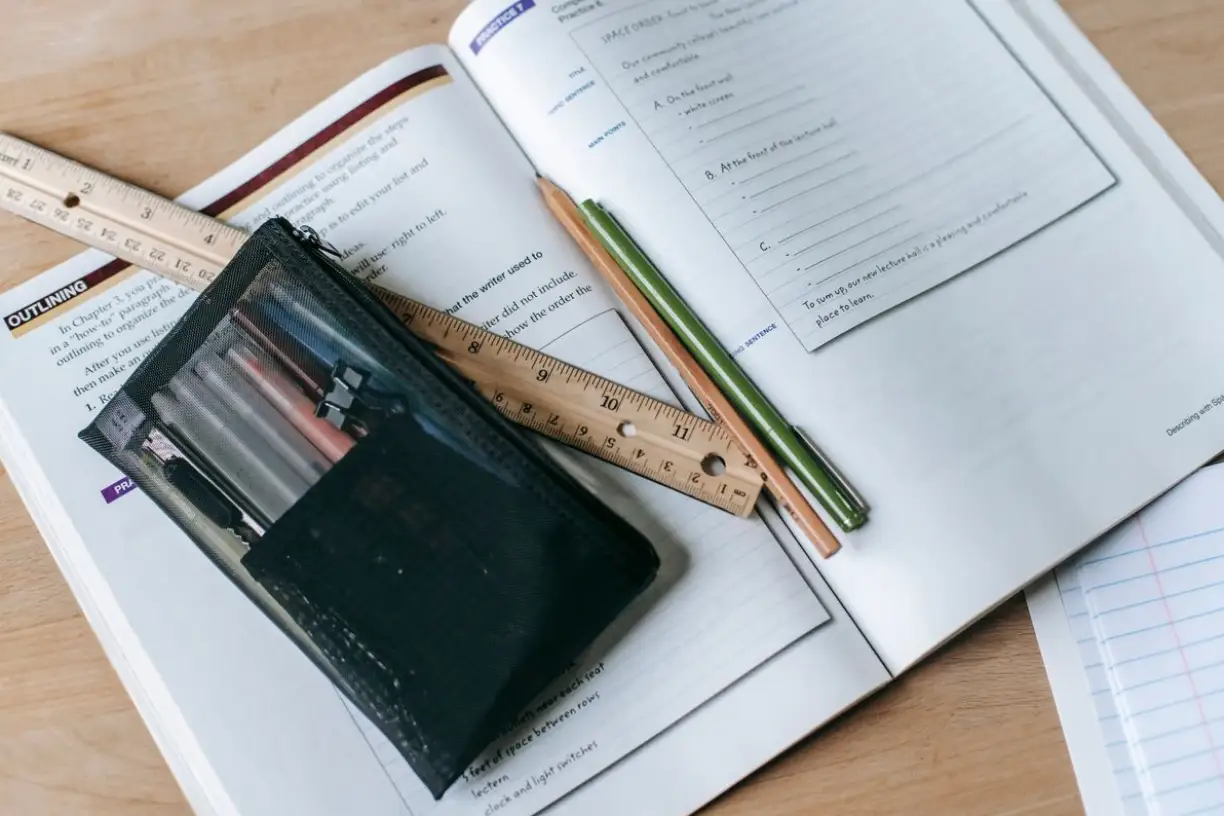
Fig.
Basics
What a tutor does in the first hour
The first lesson is mostly diagnosis, not teaching. Here is what a tutor is listening for while a pupil works through a few questions at the kitchen table.
6 min read
-
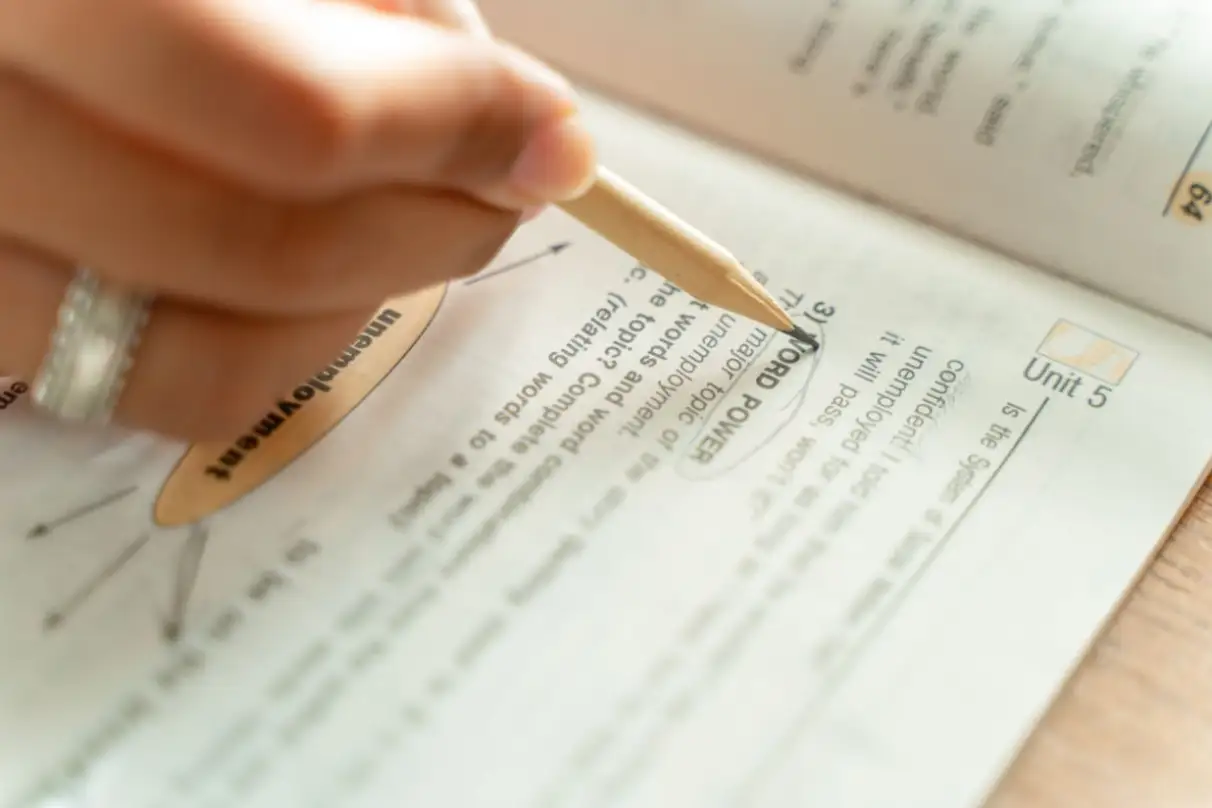
Fig.
Practice
Why rereading notes feels like learning
Reading a page again feels smooth, and that smoothness is easy to mistake for knowledge. Recalling it cold is harder, and it works far better.
5 min read
-

Fig.
Exams
Command words in GCSE papers, decoded
Explain, describe and evaluate ask for different things and carry different marks. A short guide to what sits in the mark scheme behind each one.
7 min read
-
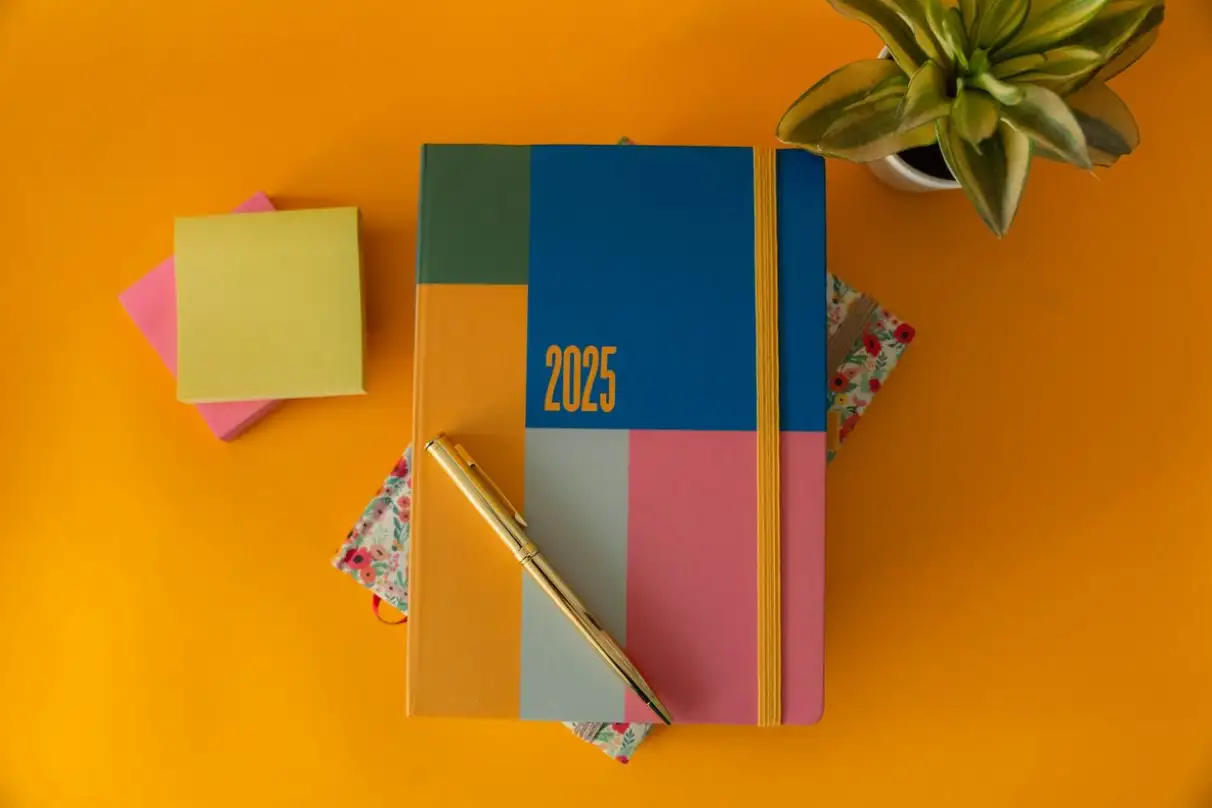
Fig.
Study habits
A revision timetable that survives real life
Most plans collapse in week two because they were built for an ideal week. Build one that keeps going when football training runs late and Tuesday disappears.
6 min read
-

Fig.
Basics
How to read a school report properly
Teachers write reports in a careful code, and words like coasting usually mean something specific. Here is how to find the useful sentence in four pages of prose.
5 min read
-

Fig.
Practice
Retrieval practice for a nine-year-old
A blank page is daunting at nine, so begin with a nudge rather than a test. Three ways to practise recall with a primary pupil without the tears.
5 min read
-

Fig.
Exams
What 11+ examiners look for
The 11+ rewards speed and accuracy inside a short window, and blanks cost marks. What a marked practice paper really shows about a Year 5 pupil.
6 min read
-

Fig.
Study habits
Helping with homework without taking over
A parent who explains too well can leave a pupil with no practice left to do. Where to step in, and the moment to step quietly back out again.
4 min read